From pod to sealed container.
Fermentation and drying decide most of what a chocolate maker will taste. We treat them as manufacturing steps with written parameters, not as something that happens while beans sit outside.
Harvest
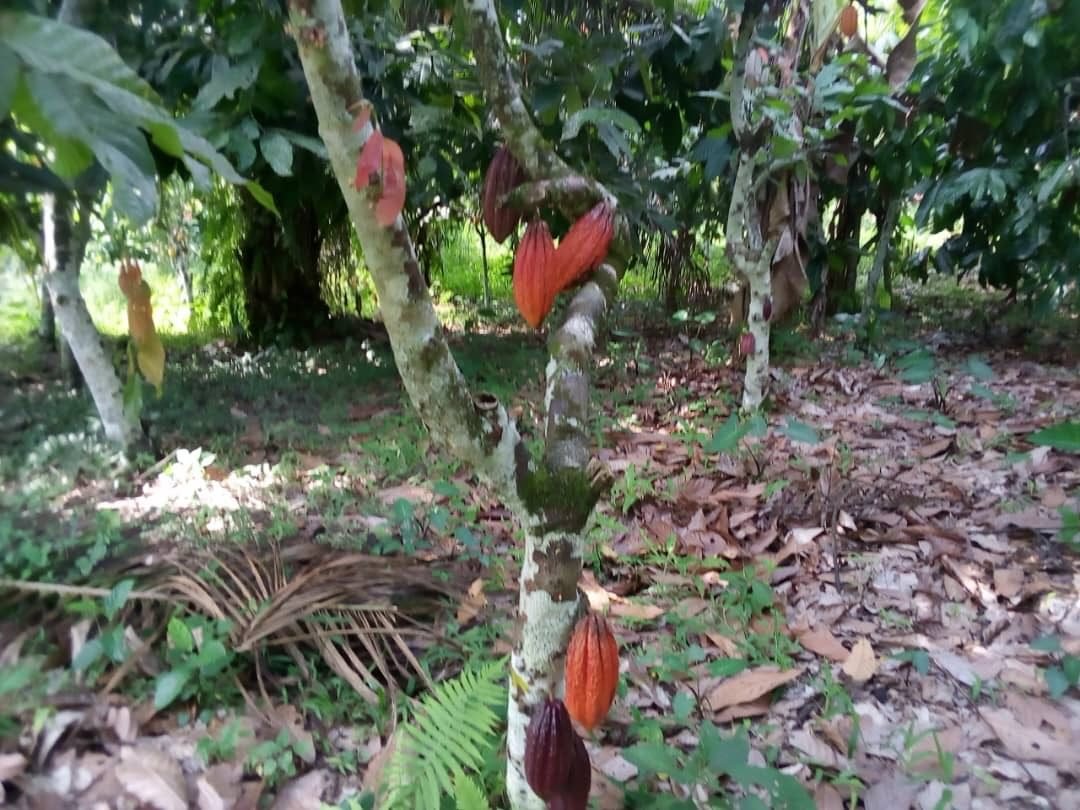
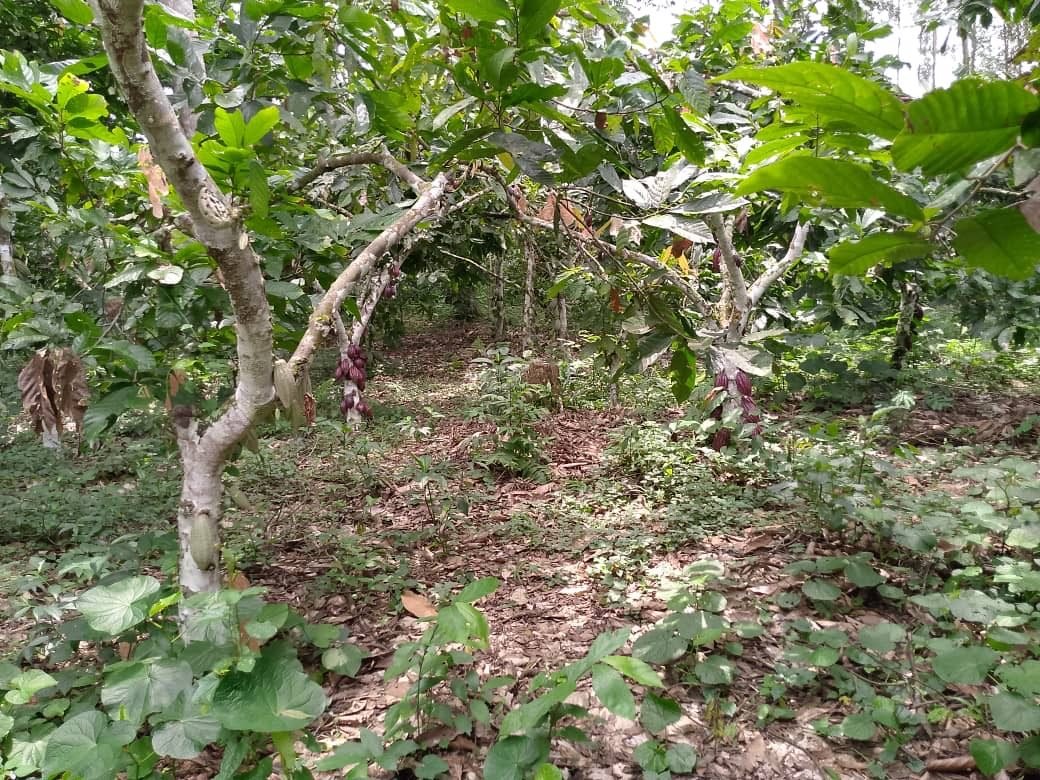
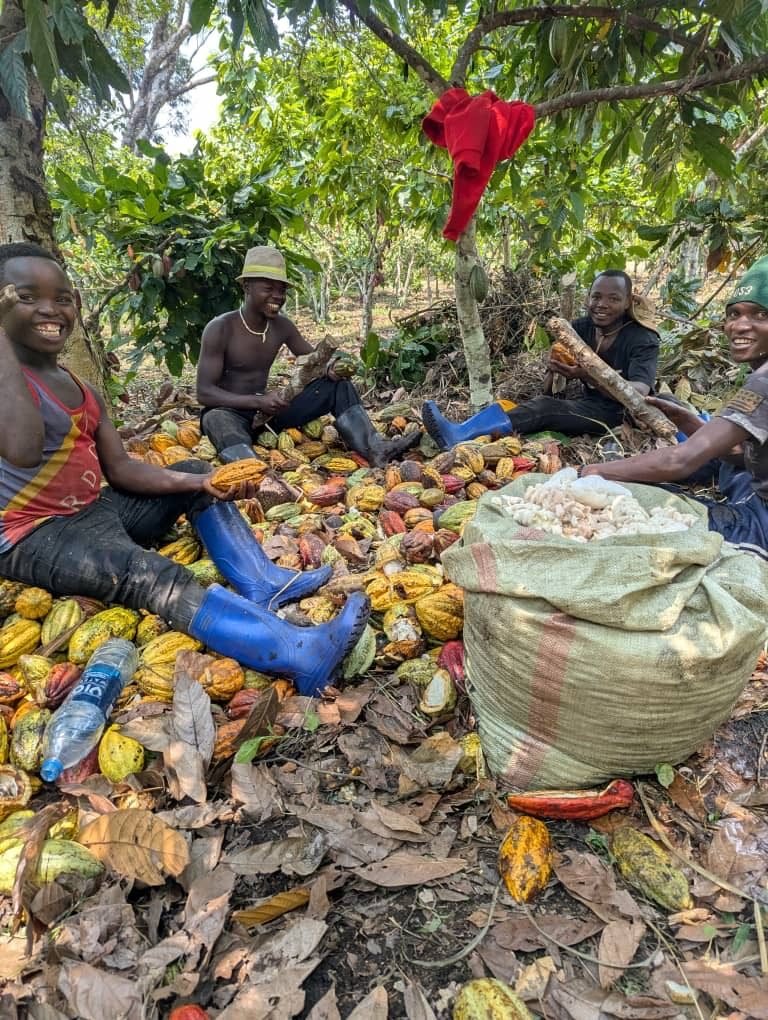
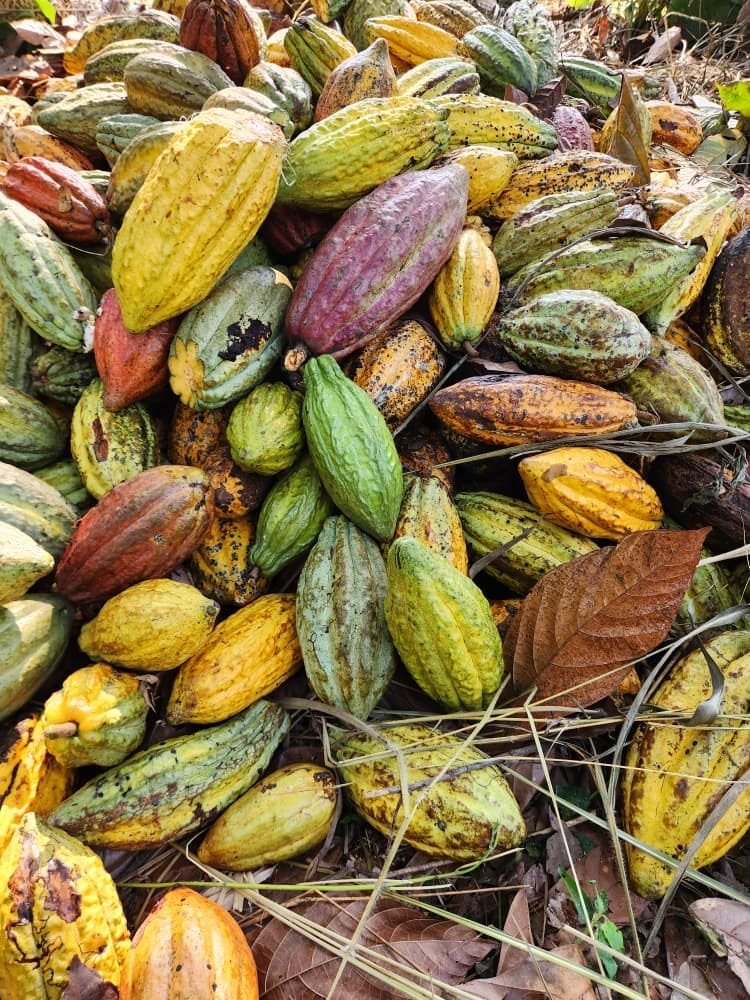
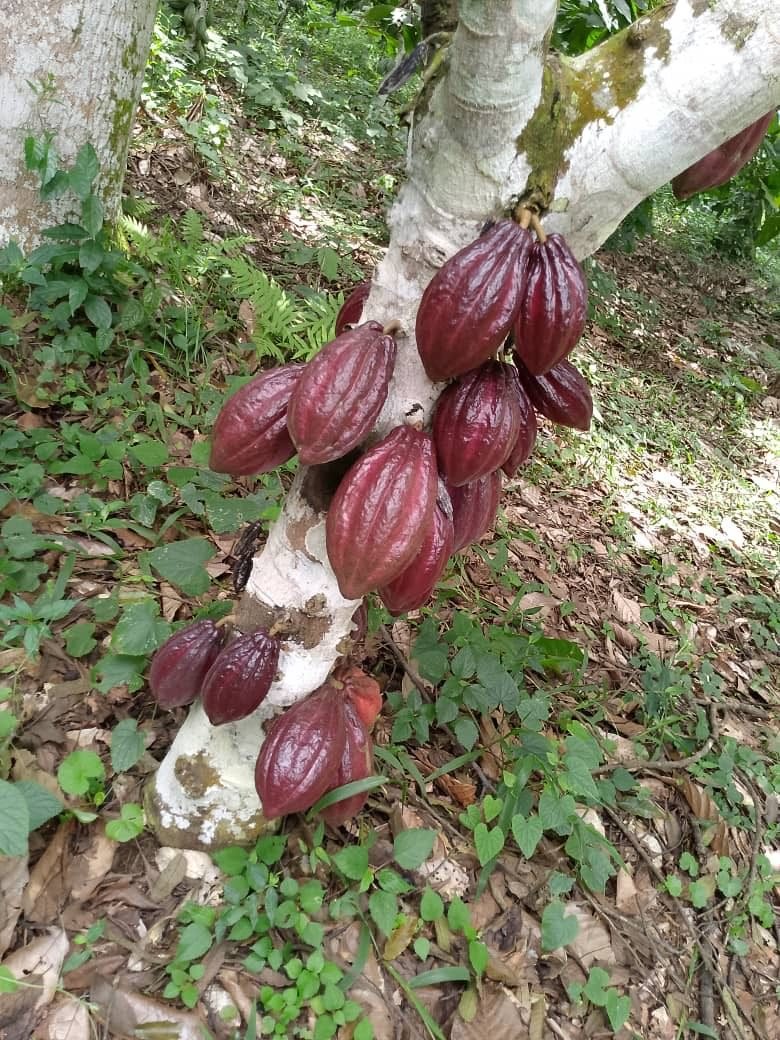
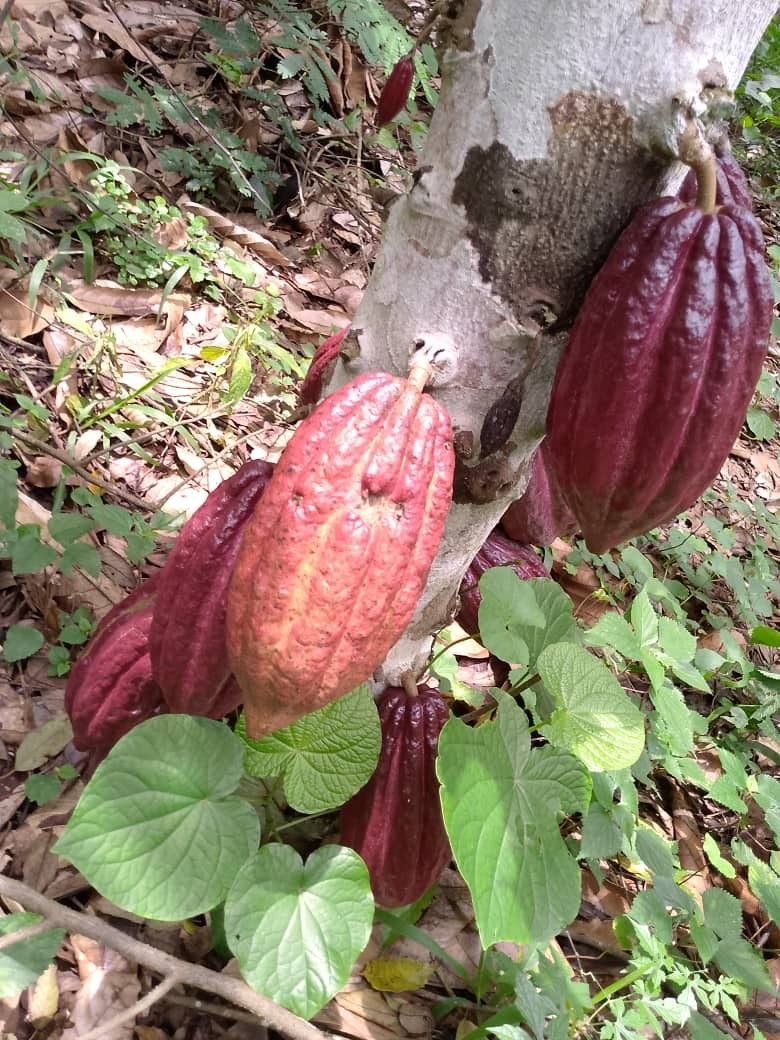
Pods are cut at full ripeness (colour break confirmed by trained field staff) and opened within 48 hours. Under-ripe and diseased pods are rejected at the tree.
Pod breaking and sorting
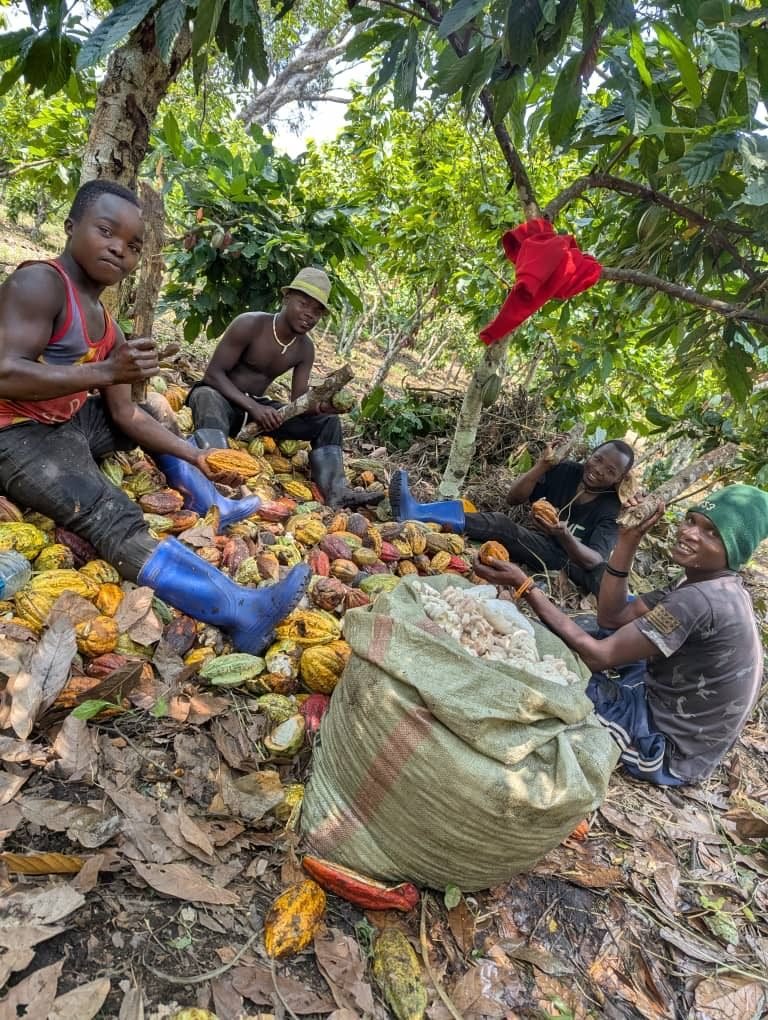
Beans are removed by hand, placenta discarded, and flat, germinated or damaged beans are pulled out before fermentation rather than after.
Fermentation (6 days)
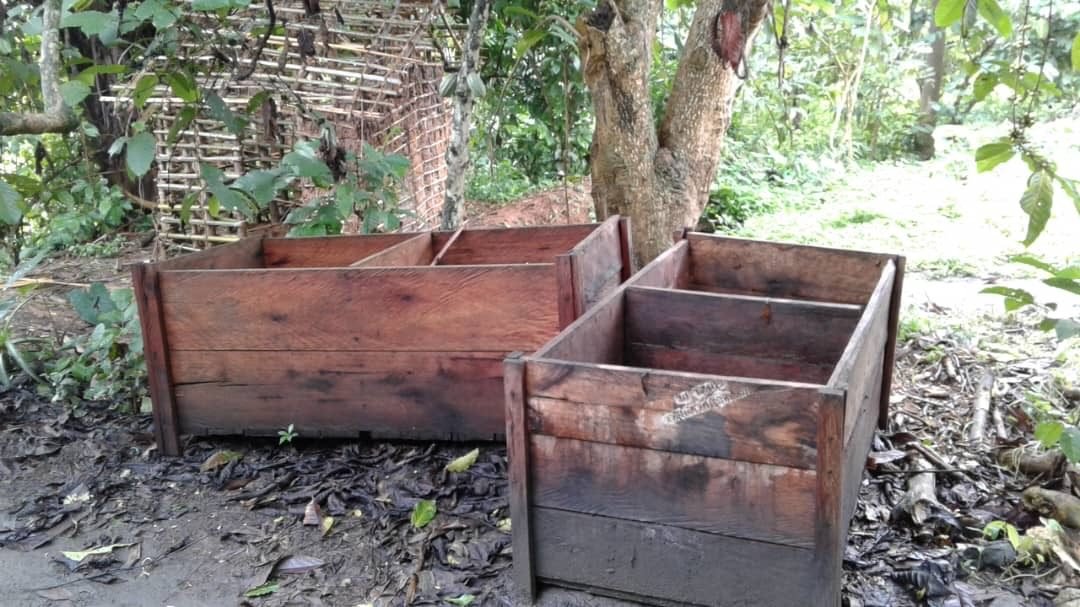
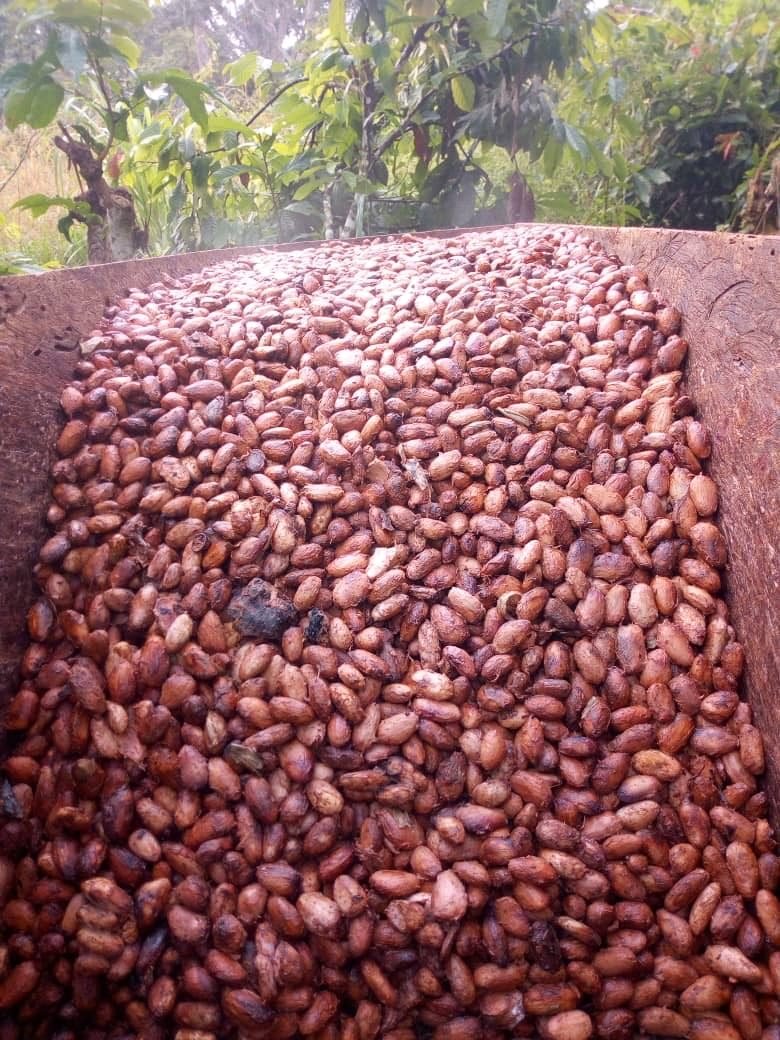
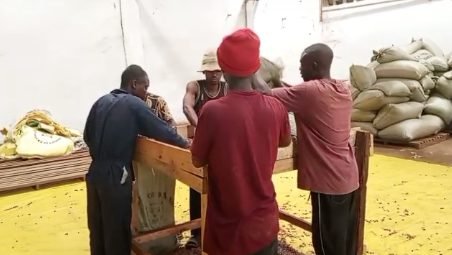
Wet beans go into specific wooden boxes, covered with banana leaf, and are turned every 48 hours to even out temperature and aeration. Box, date and cluster are recorded on the lot sheet.
Drying
Natural drying on raised racks under shelter over 11 to 14 days, spread thin and turned by hand. Shelter is what protects the lot from the sudden rain that ruins open-yard drying in this region.
Moisture control
Manual checks through drying, targeting 6.5–7.5% at bagging. A lot does not leave the drying station until it reads inside that band.
Grading and cut test
300-bean cut test per lot: well-fermented, purple, slaty, mouldy, insect-damaged and germinated percentages, plus bean count per 100 g.
Bagging and storage
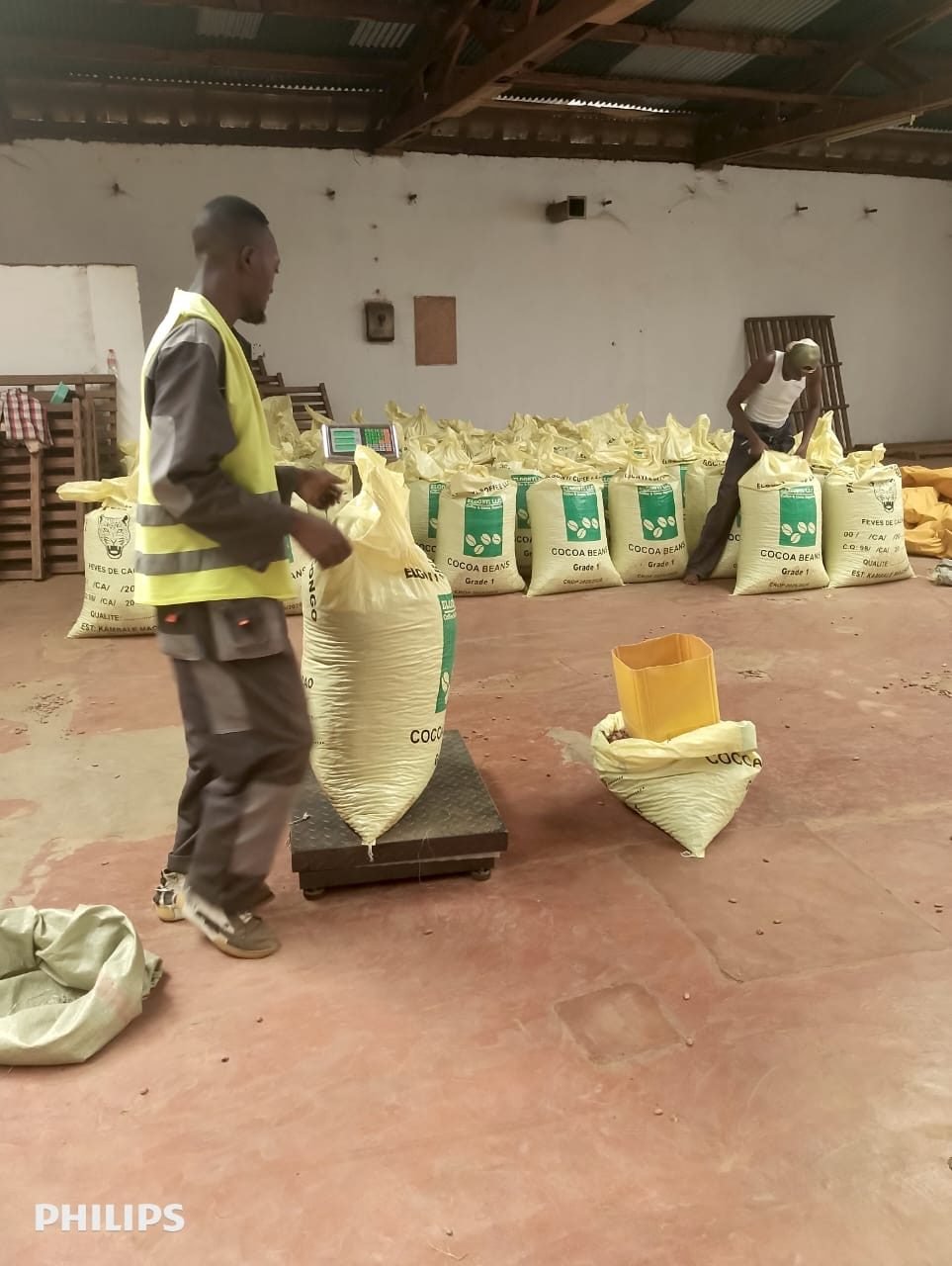
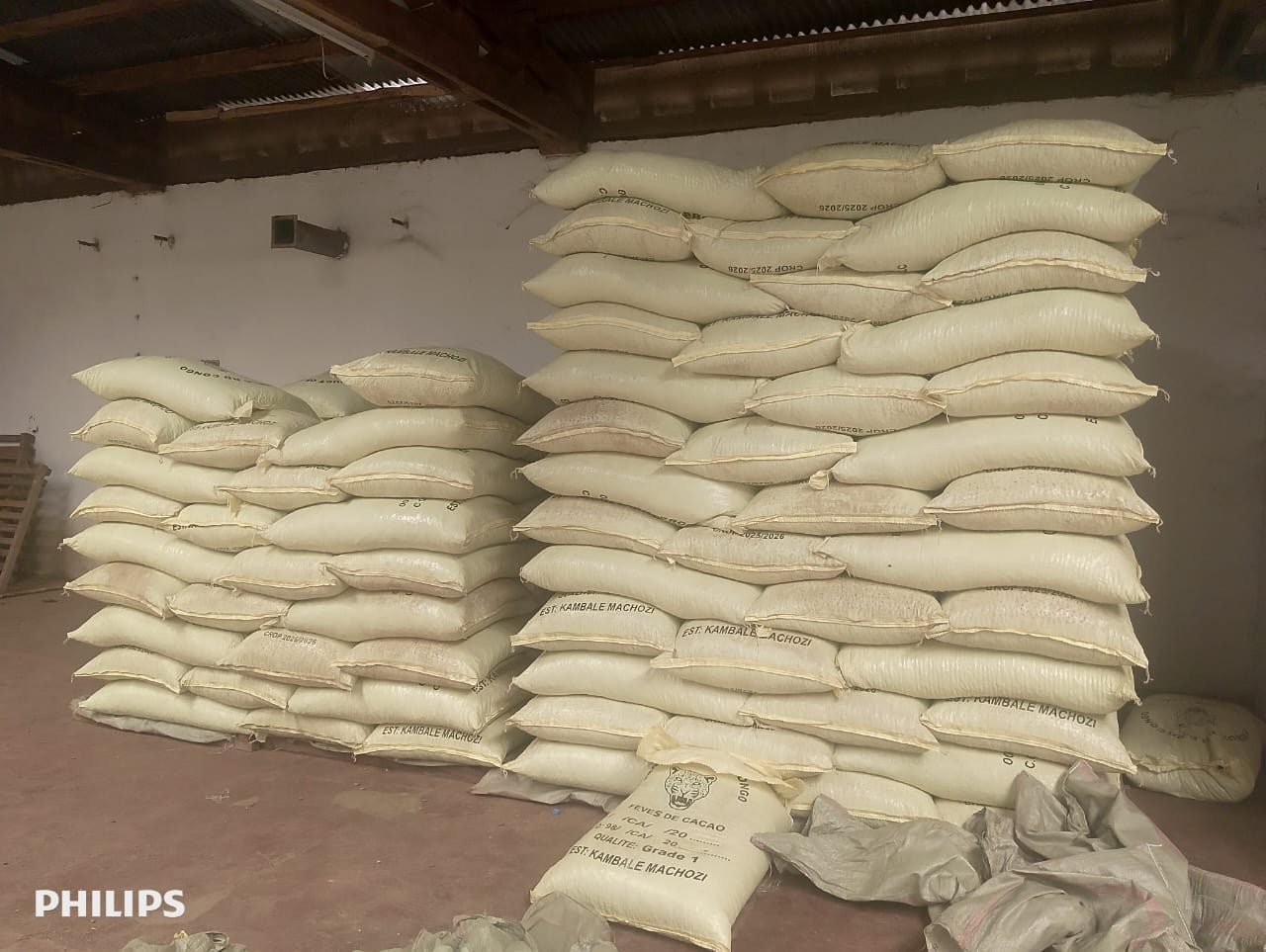
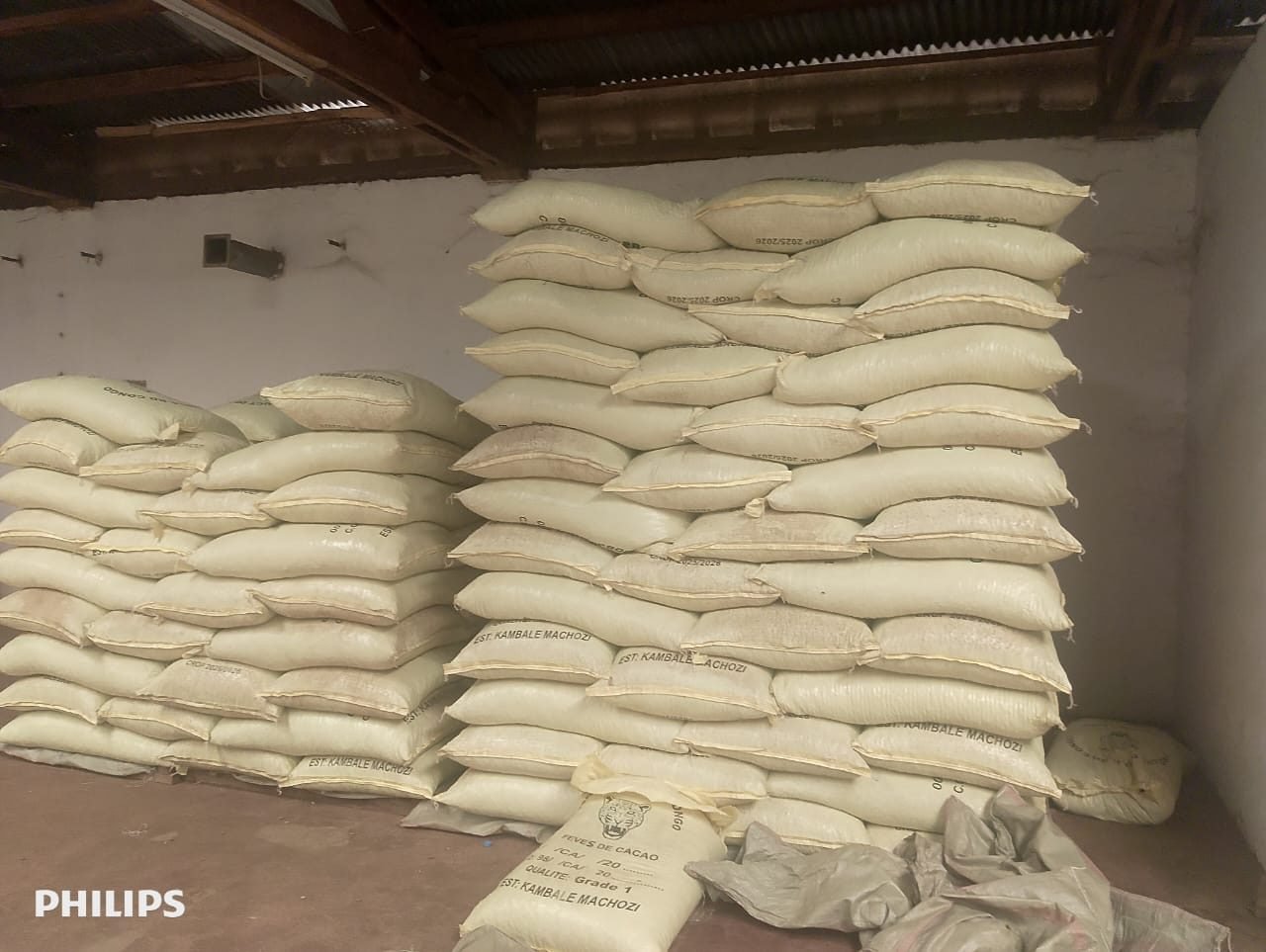
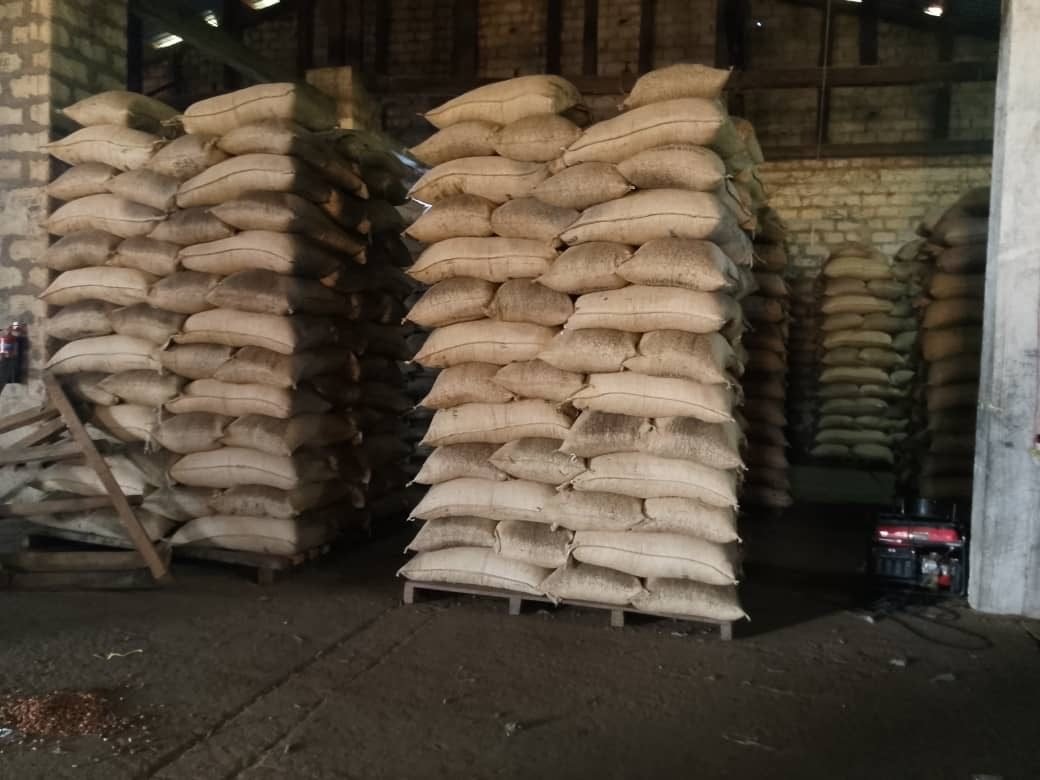
62.5 kg jute bags, lot-tagged, palletised and held in ventilated storage at our Beni warehouse with humidity monitoring.
Container loading and sealing
Containers are inspected for cleanliness and odour, lined where specified, loaded under supervision and sealed. Seal numbers go onto the shipping documents.